Traveled to the National Museum of Women in the Arts, Washington, DC, October 13, 2107 – January 21, 2018, and Museum of Fine Arts, St. Petersburg, Florida | May 5 – August 5, 2018
Candida Alvarez – Betty Blayton – Chakaia Booker – Lilian Thomas Burwell – Nanette Carter – Barbara Chase-Ribou – Deborah Dancy – Abigail DeVille – Maren Hassinger – Jennie C. Jones – Evangeline “EJ” Montgomery – Mary Lovelace O’Neal – Howardena Pindell – Mavis Pusey – Shinique Smith – Gida Snowden – Sylvia Snowden – Kianja Strobert – Alma Thomas – Mildred Thompson – Brenna Youngblood
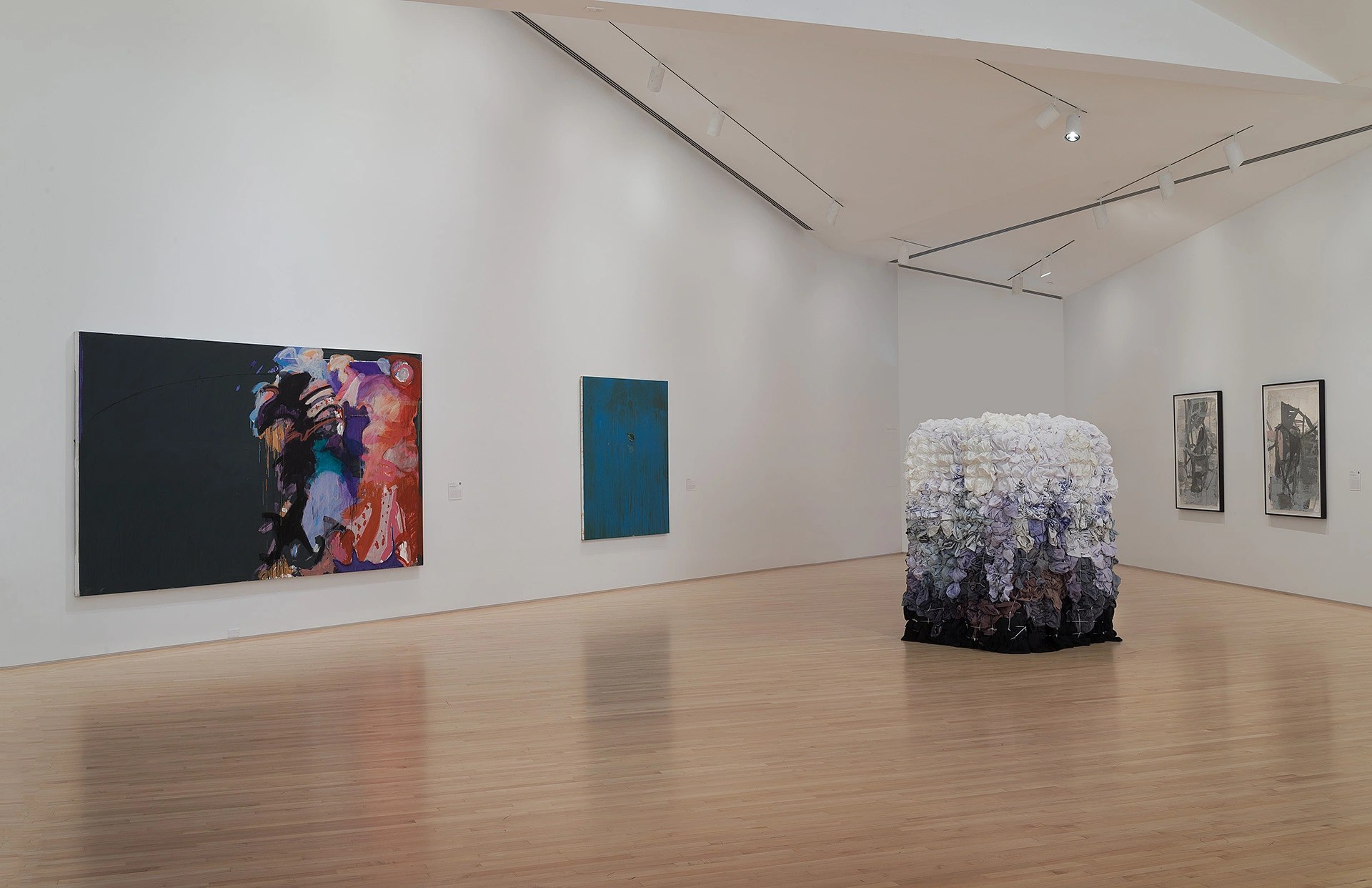
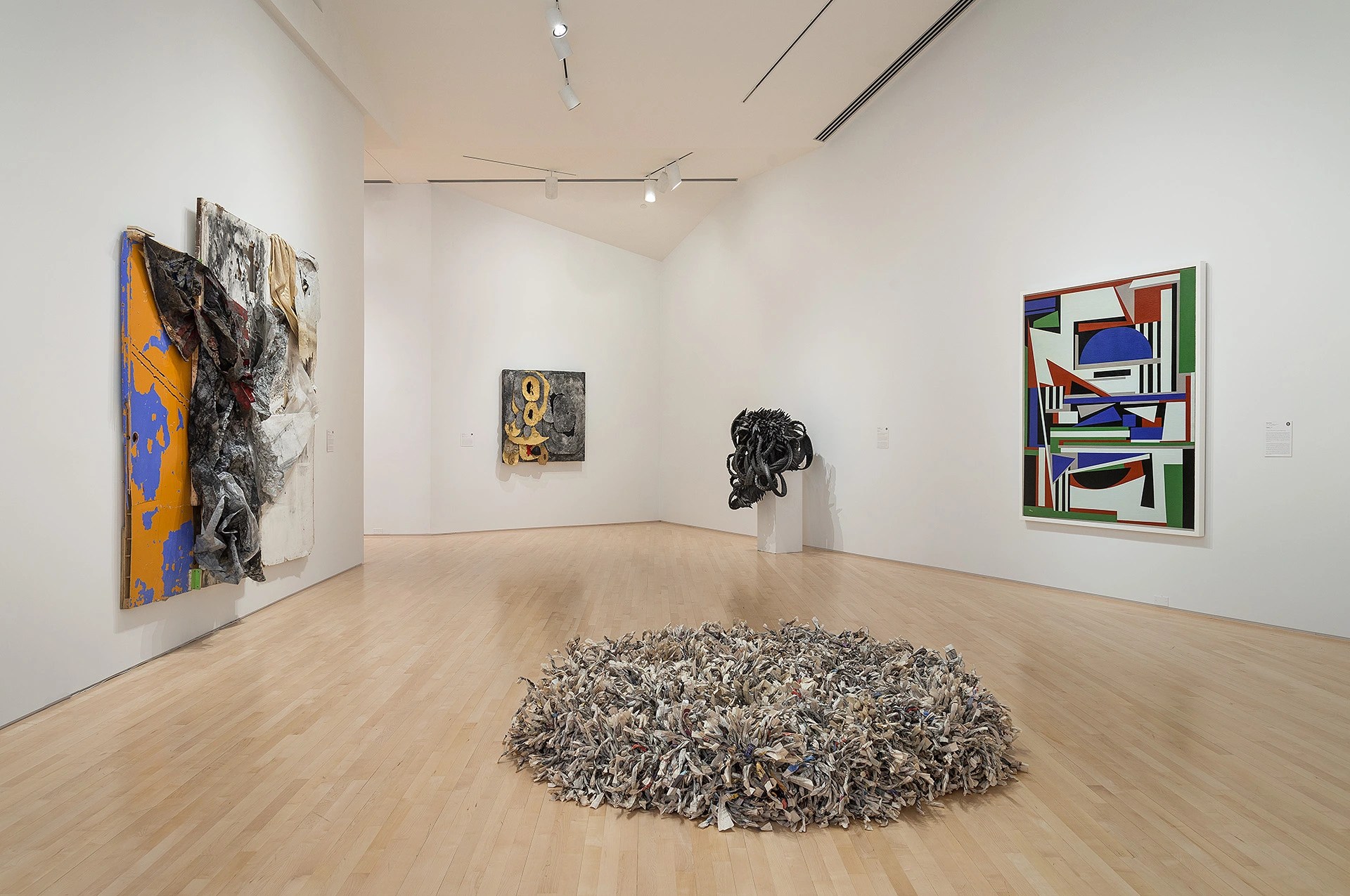
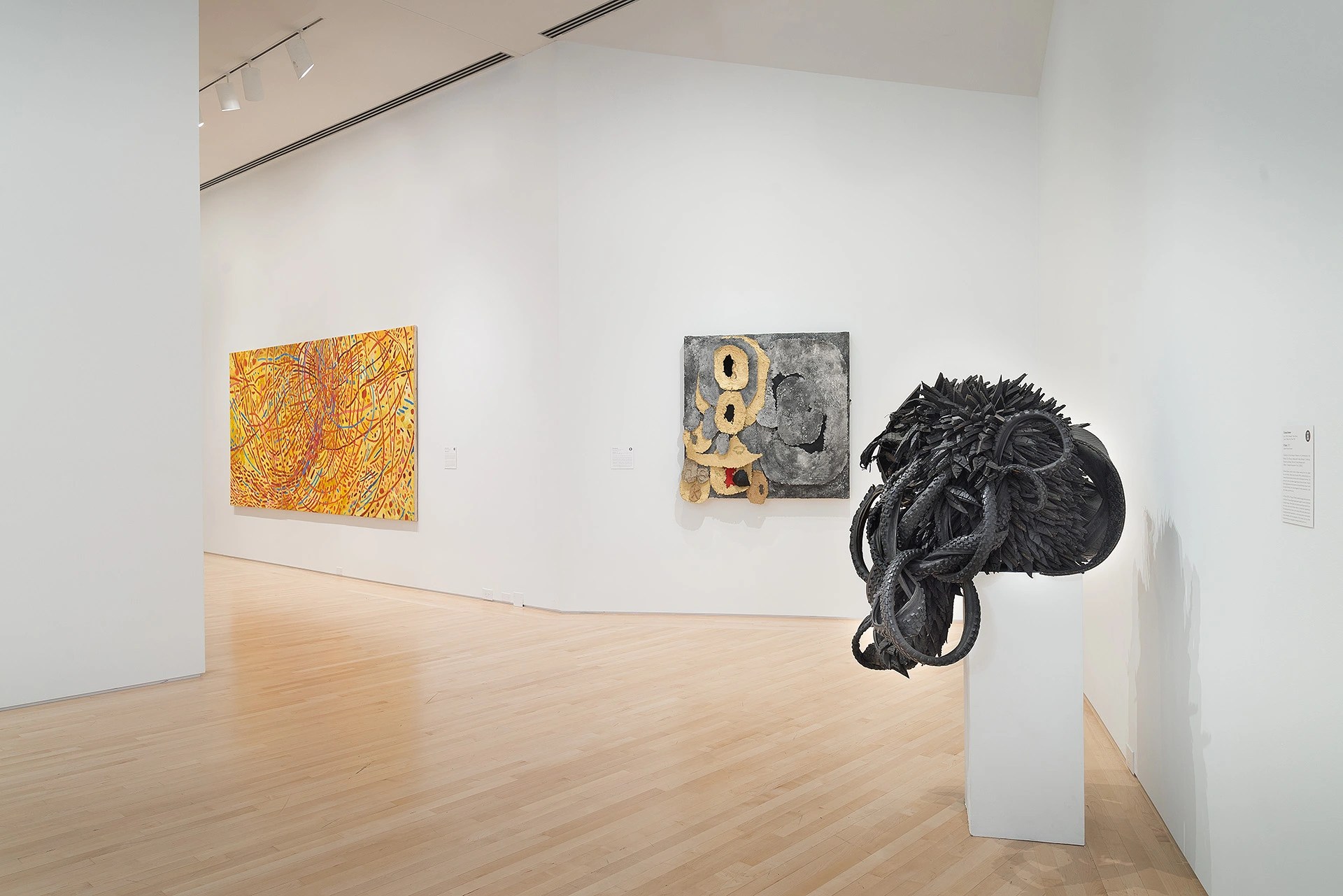
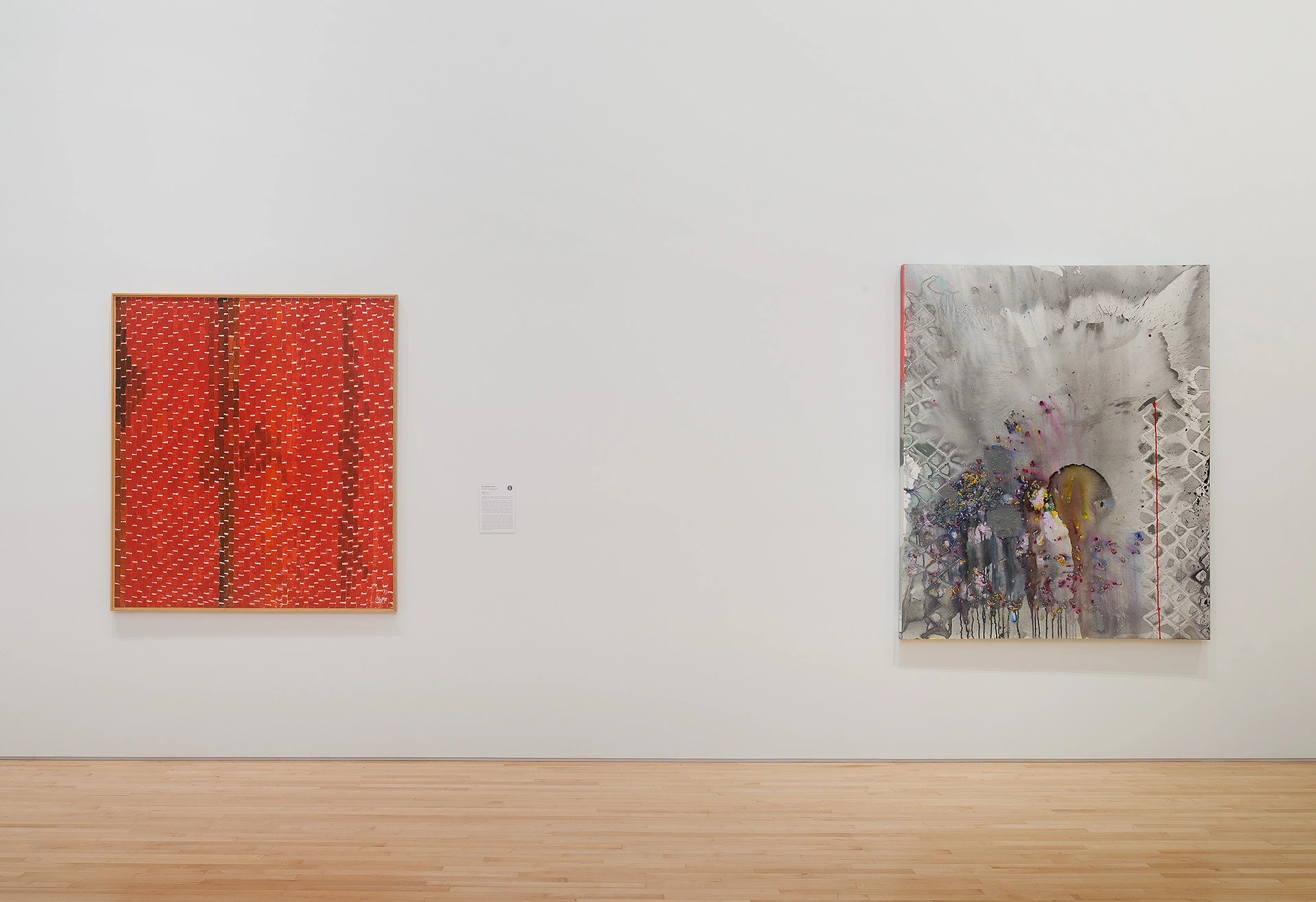
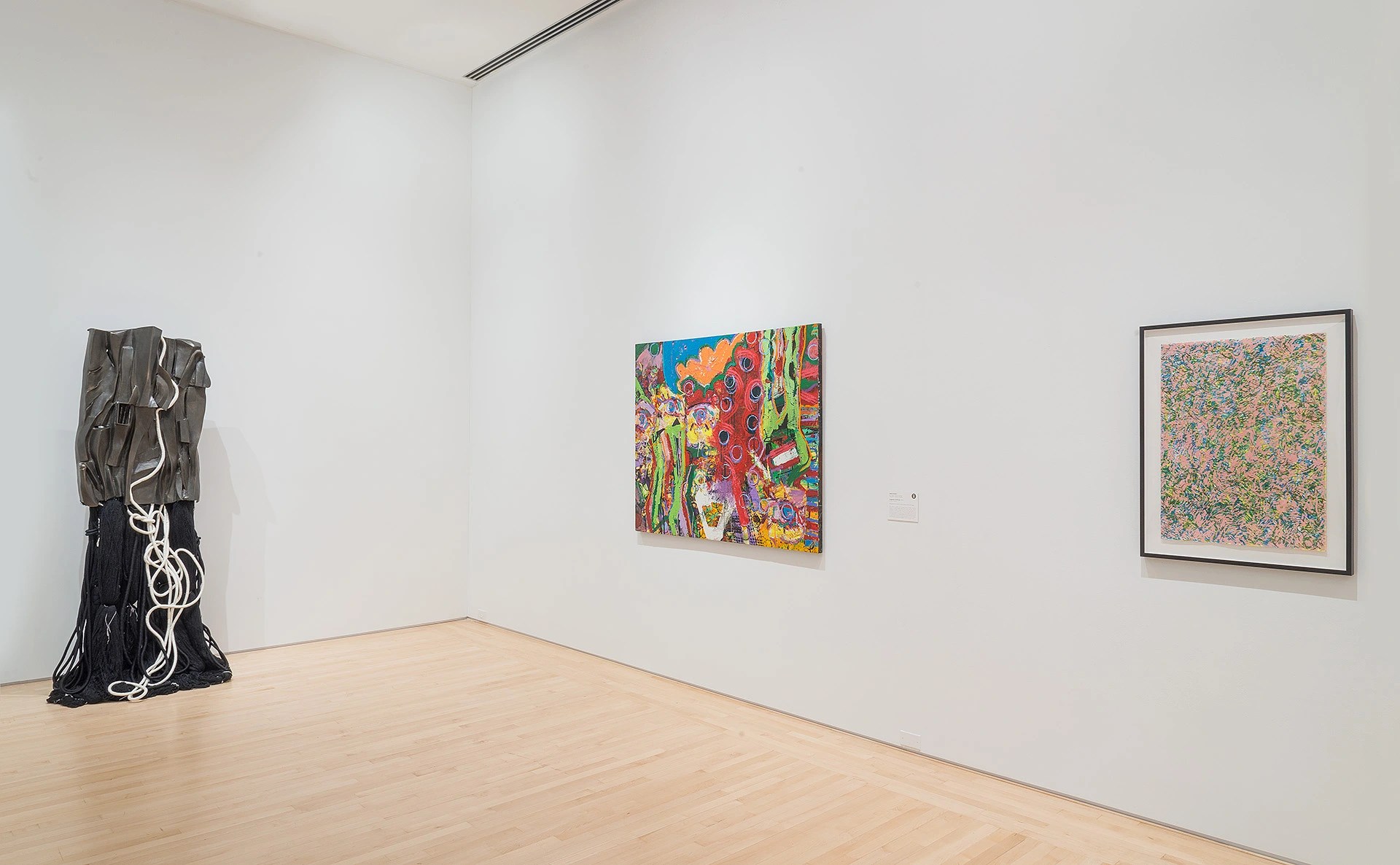
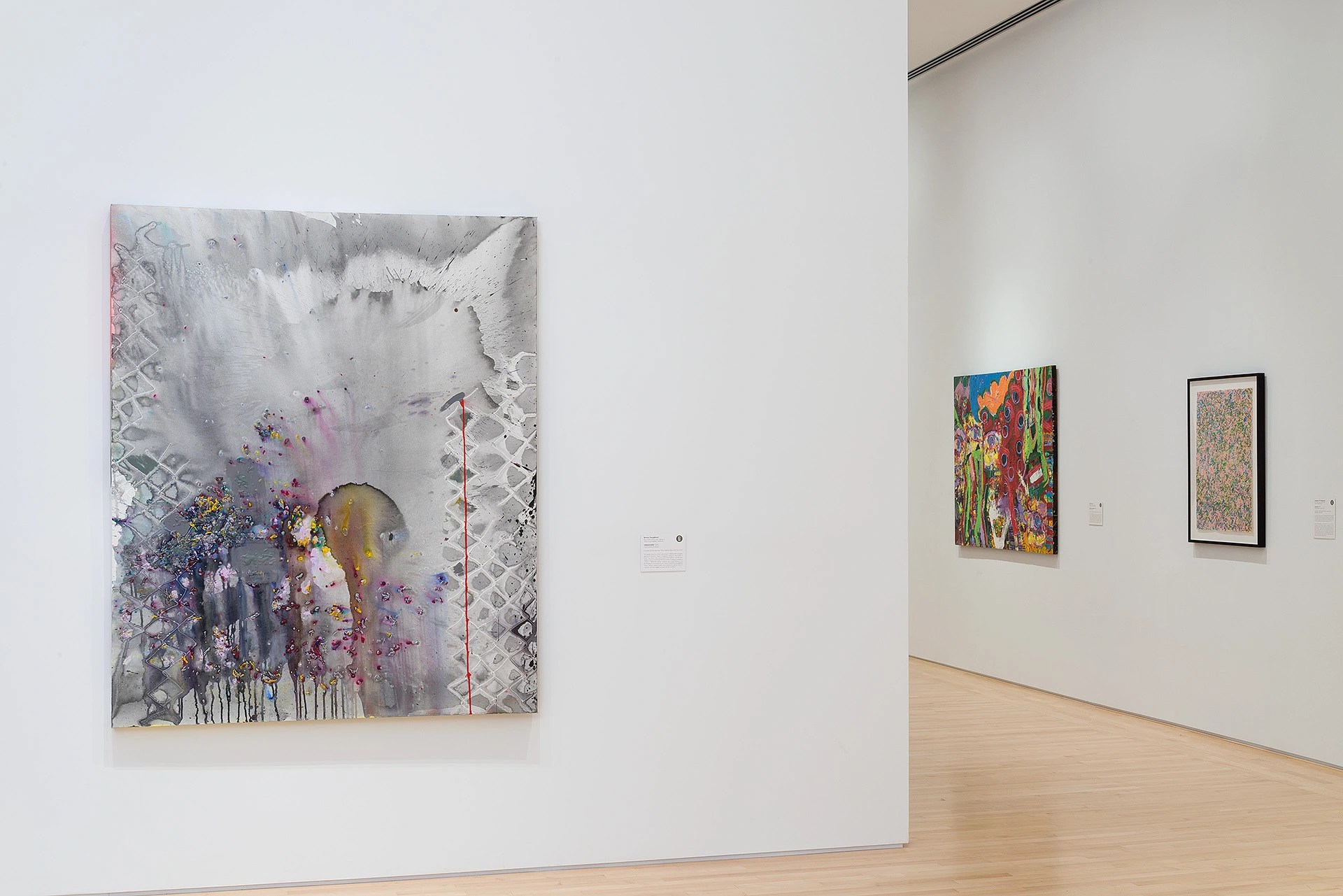
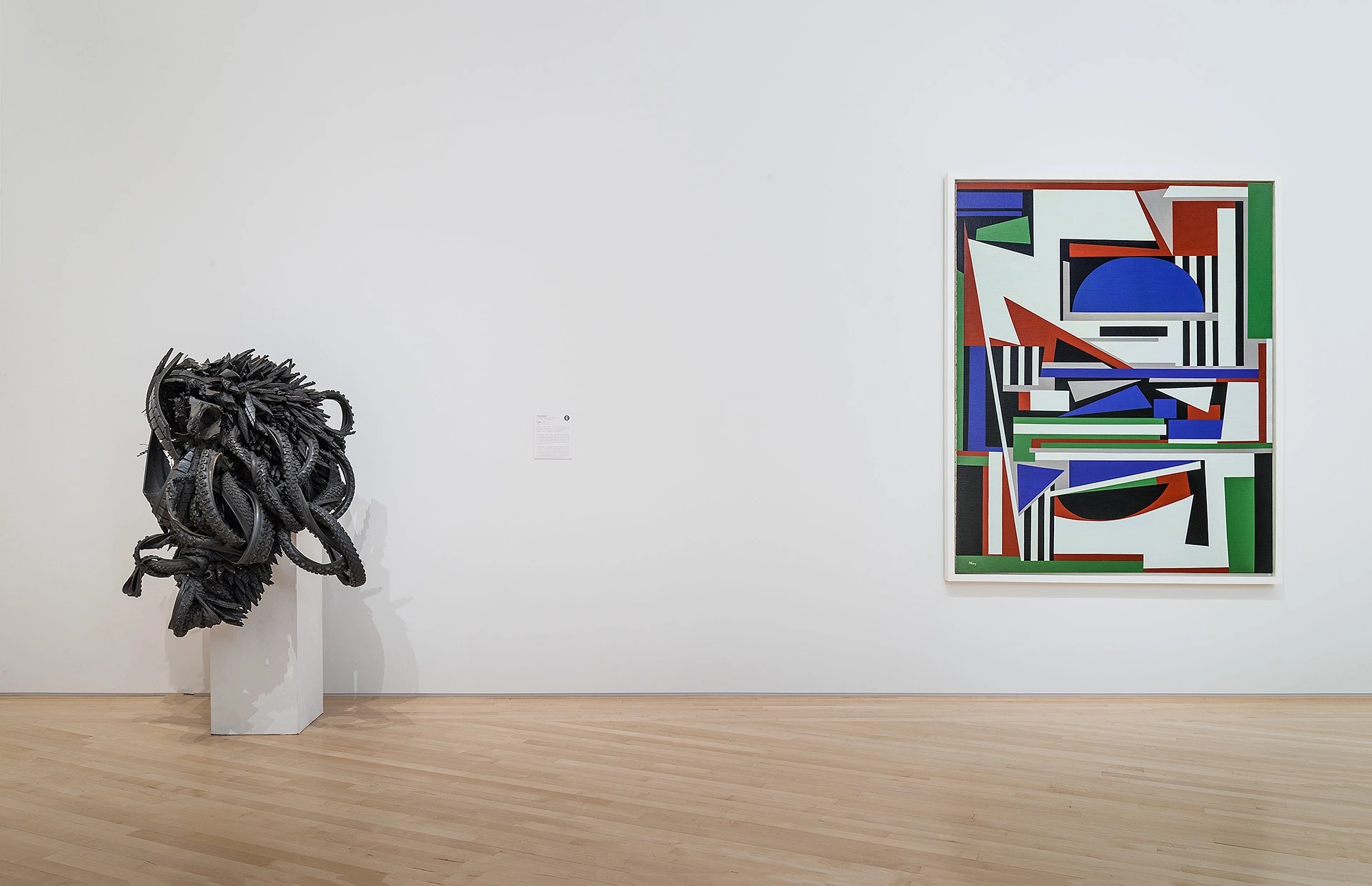
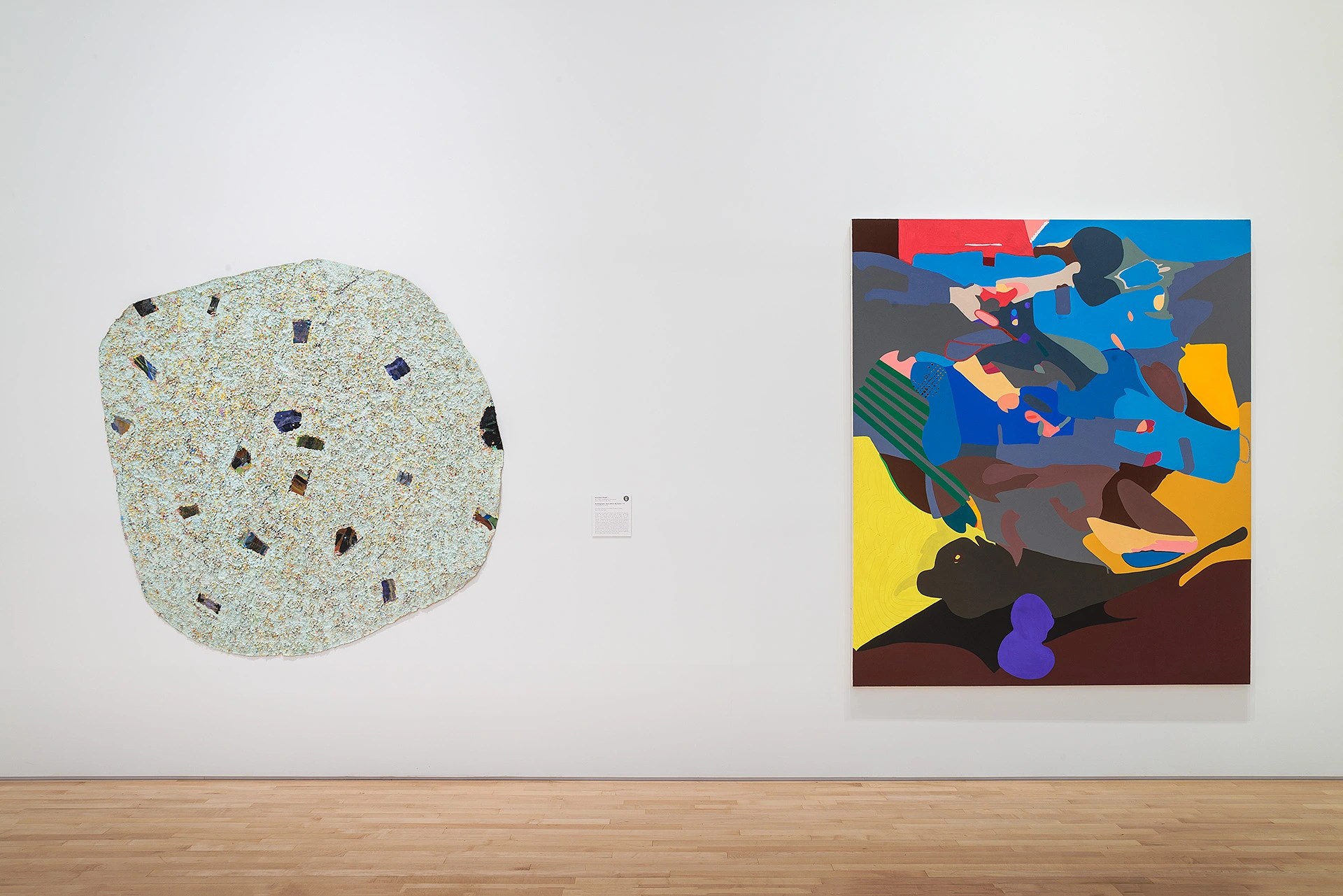
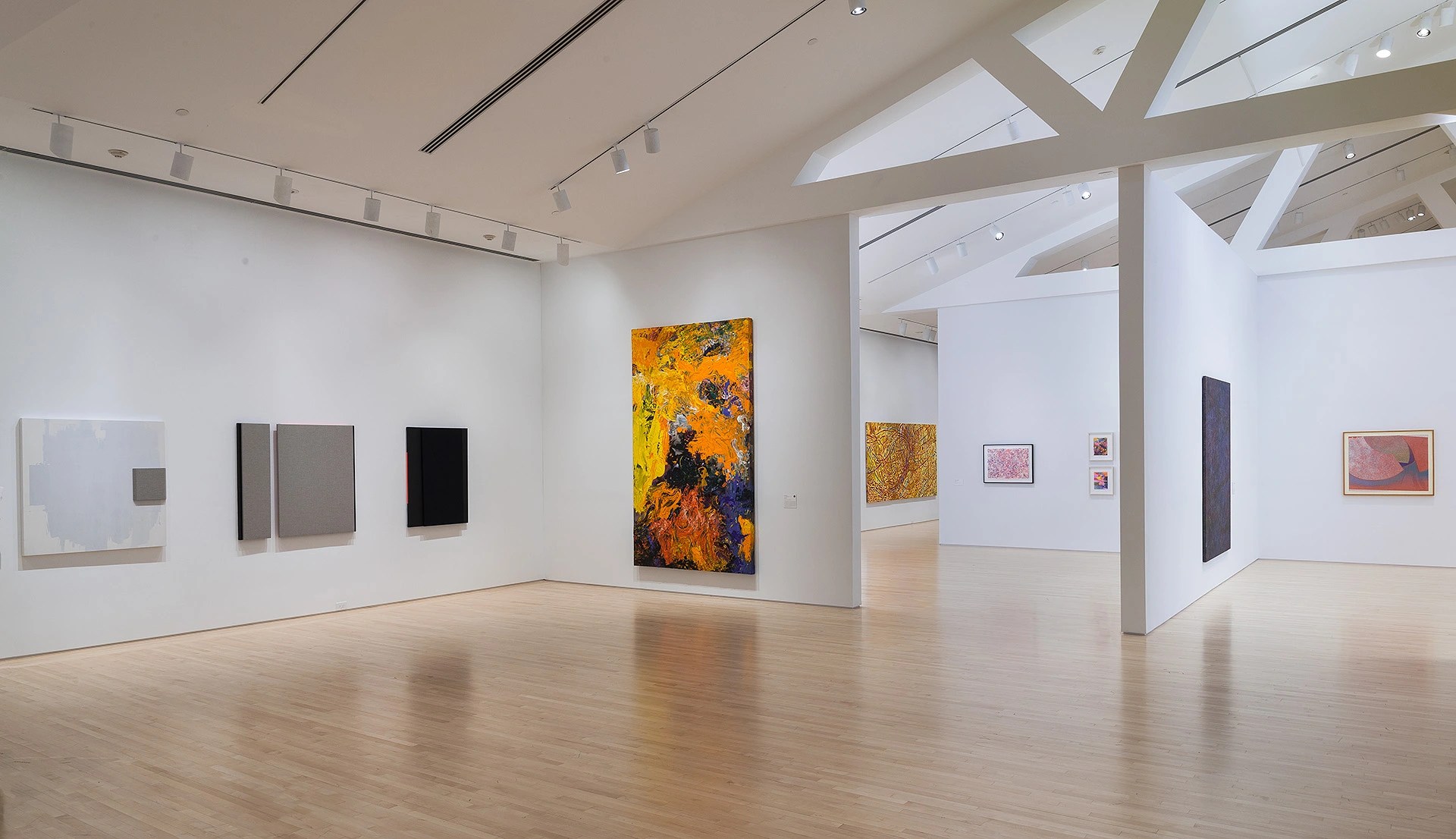
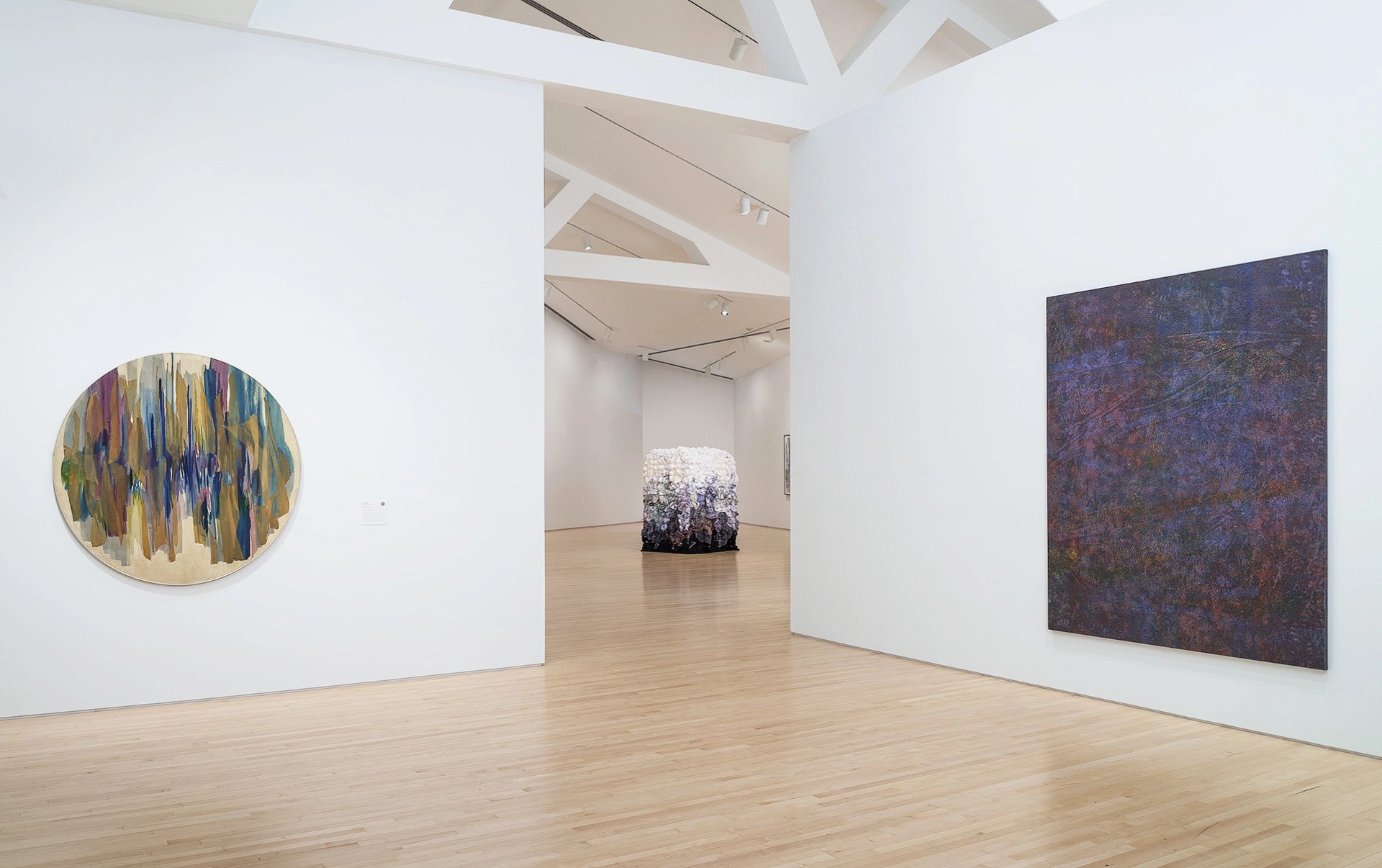
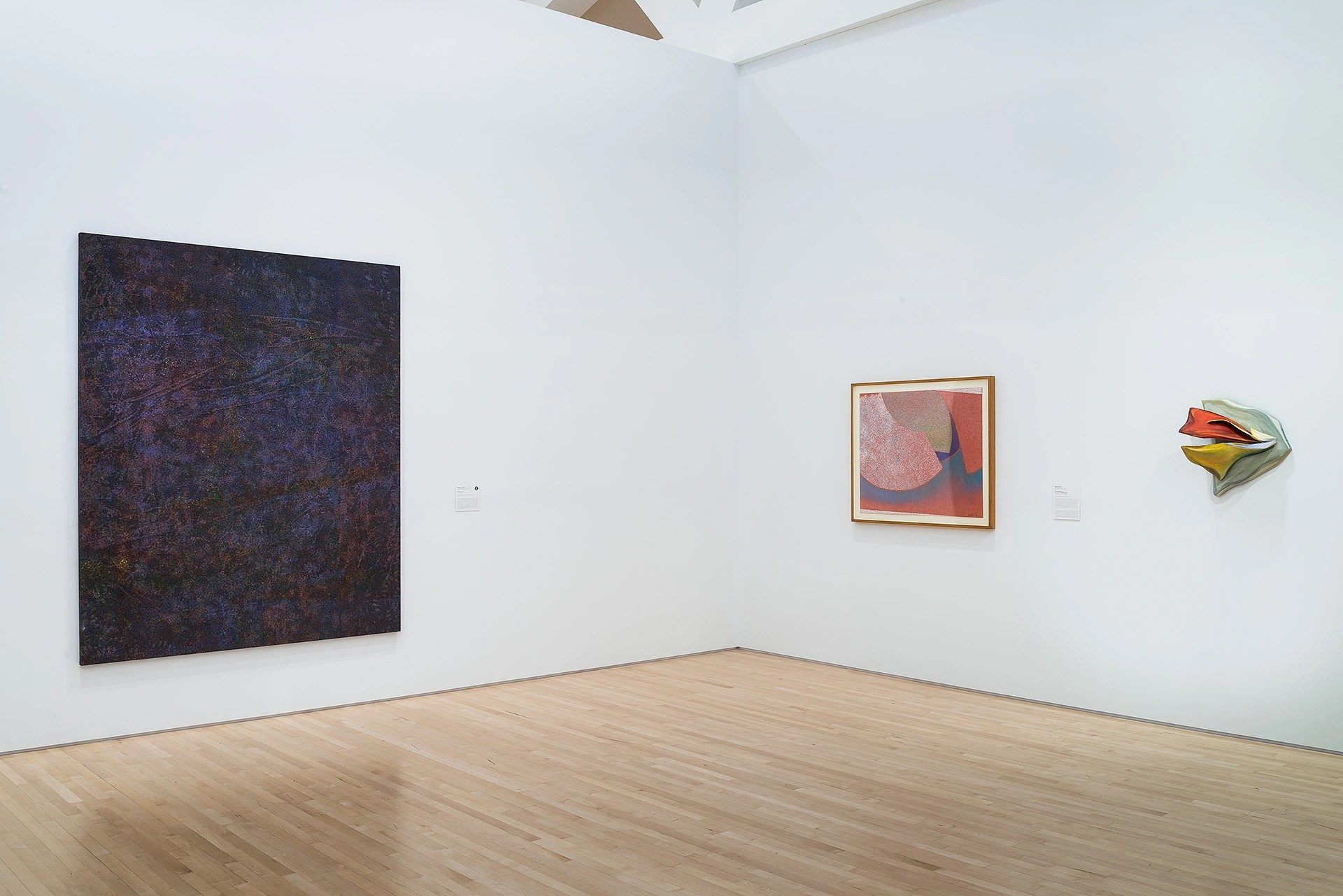
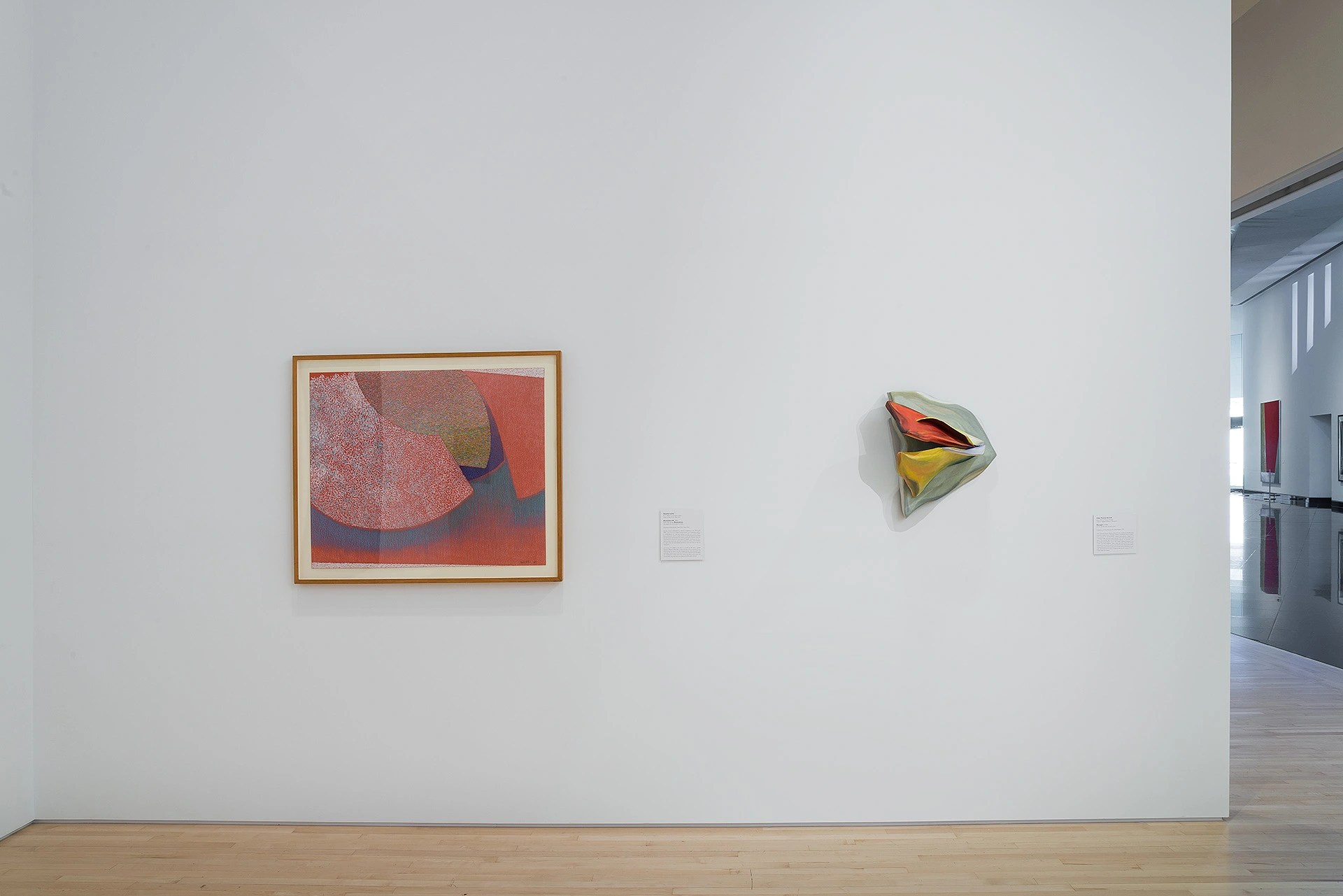
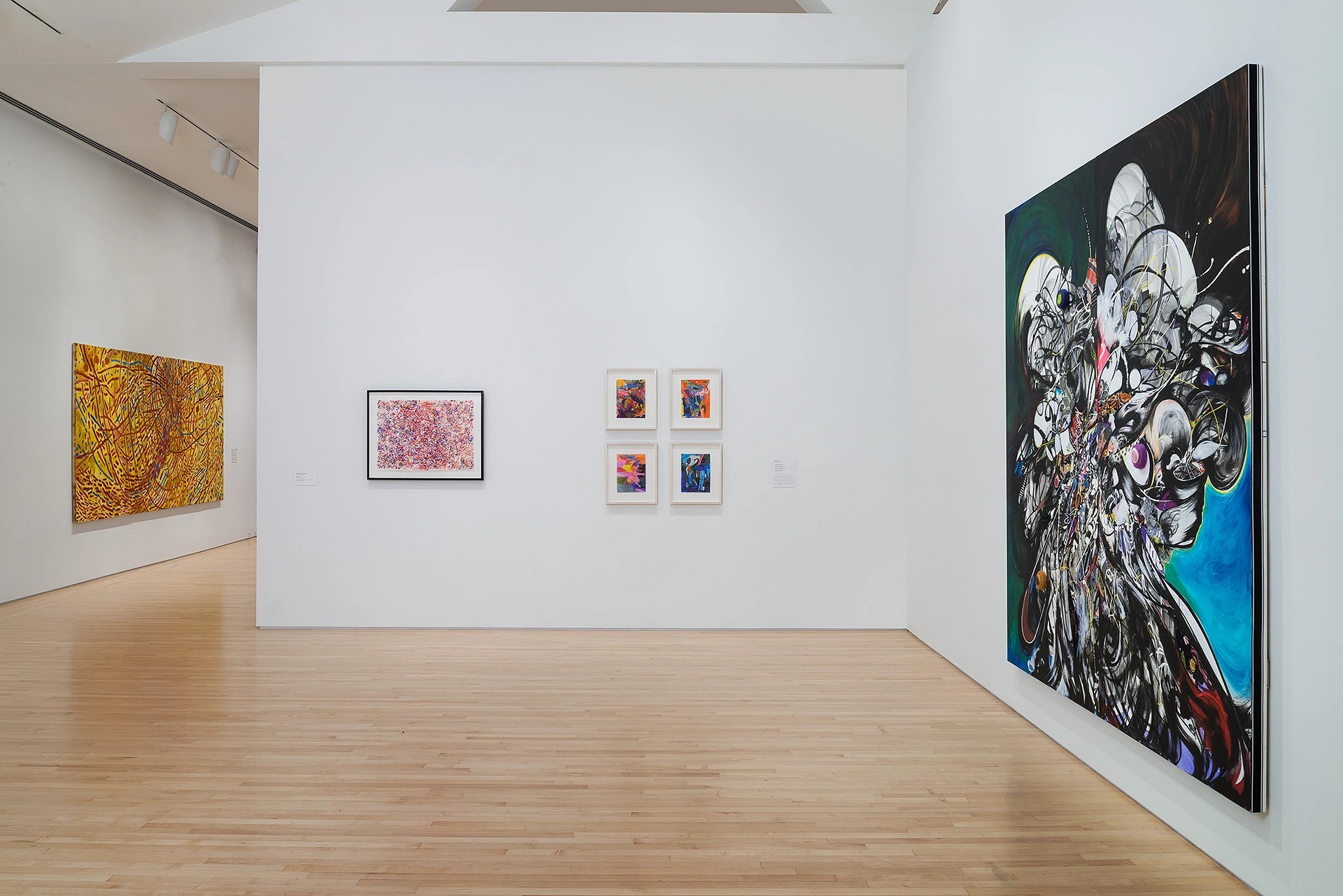
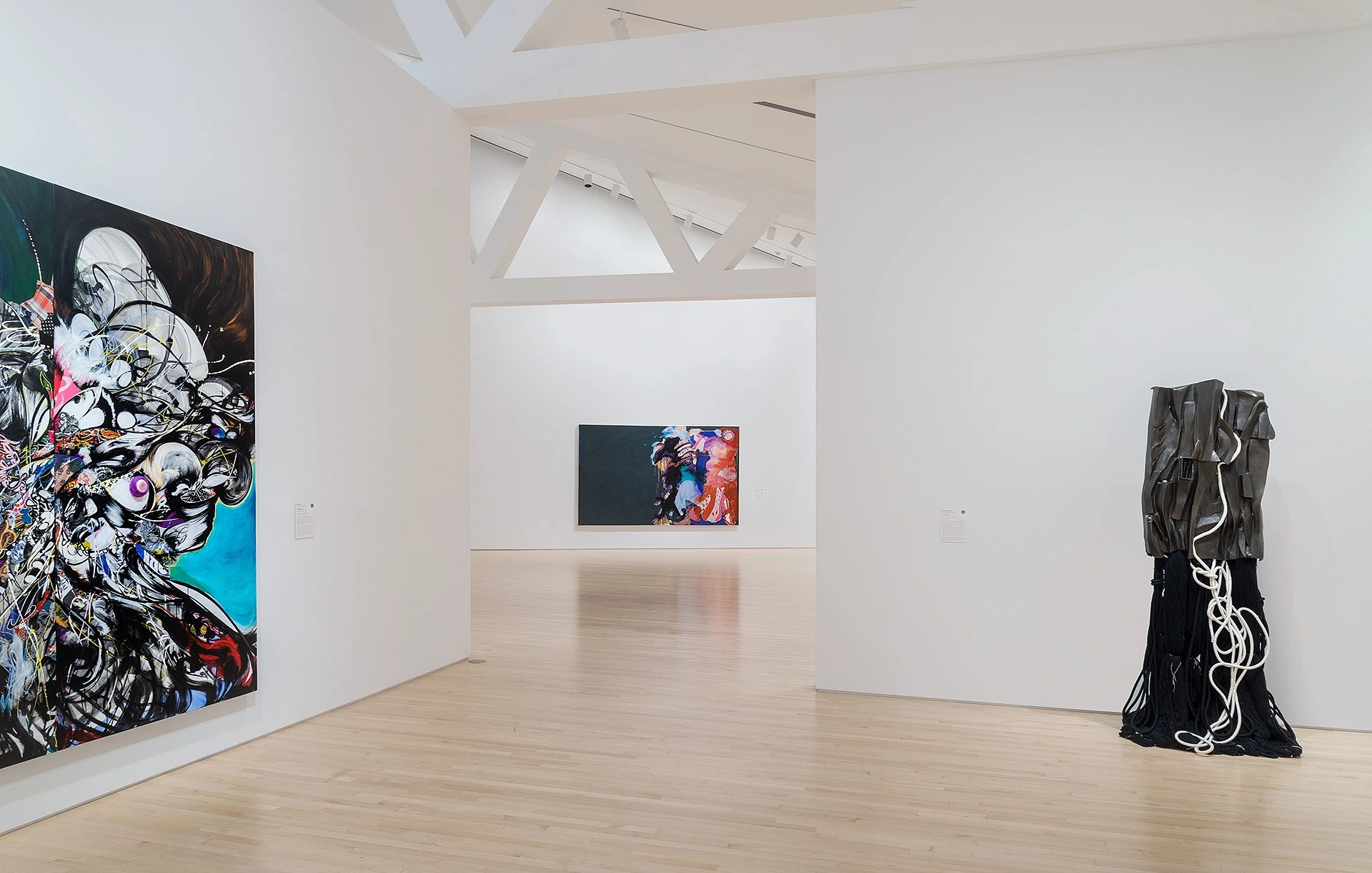
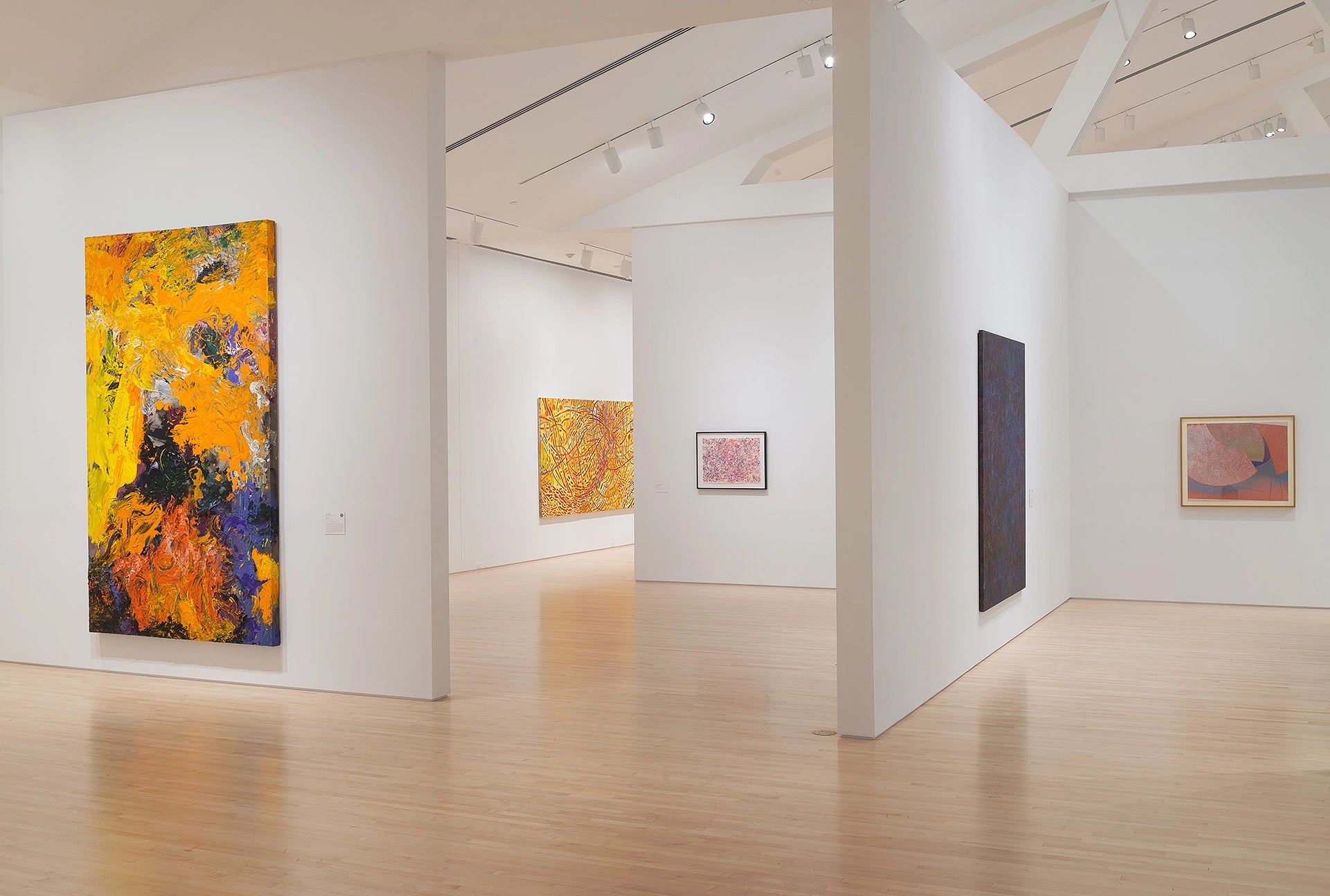
Magnetic Fields focused a long-overdue lens on the contributions of women artists of color within non-representational art making. As the first museum exhibition of its kind, it’s aim was to spark more broad and inclusive presentations of American abstraction. Intergenerational in scope, this exhibition amplified the formal and conceptual connections between twenty-one artists born between 1891 and 1981. The artists’ compositional frameworks, exploration of materials, and inspired approaches to non-objective art expand the discourse around non-pictorial image and object making. Featuring a range of media including painting, sculpture, printmaking, and drawing, the exhibition placed unique visual vocabularies in context and dialogue with one another and within the larger history of abstraction. Magnetic Fields celebrates women artists of color as under-recognized leaders and argues for their enduring relevance in the history and iconography of abstraction.
Magnetic Fields presented the formal, expressive, and conceptual scope of work by self-identifying black female artists who sustain(ed) a dedicated practice in the field of non-representational abstraction. Given this focus, Magnetic Fields also paid tribute to the lived experience of each of the featured artists, who have come individually to pursue abstraction, disrupting the presumption that representation and narrative beholden to figuration are the prime modes of visualizing personal experience. Collectively, these works employ and broaden the expressive language of abstraction amid its loaded, Eurocentric male–dominated history.
The exhibition title Magnetic Fields denotes exploration, the charting of new directional currents and re-charting of hidden terrain within the history of abstraction. This exhibition brought together unique perspectives and new alignments representing more than a half-century of artistic development. Intergenerational in scope, it reclaims the contributions of black women artists and pays homage to their legacy. While these twenty-one artists come to their practice with different goals and perspectives, as well as unique biographies and experiences, their passion for abstraction—a shared universal language of color, form, composition, texture, and line—is the connecting force. Among these works we see the personal evocation of the spiritual and the scientific; the exploration of the emotional spectrum, from exuberance to sorrow; the interpretation of natural, physical, and cosmic phenomena; and allusions to the body, place, movement, and sound. The breadth of styles within the genre demonstrates the enduring vitality of a language that has been adopted, adapted, and recharged over time and across generations.
Pioneering artist and curator Howardena Pindell poignantly wrote, “We must evolve a new language which empowers us and does not cause us to participate in our own disenfranchisement.” This exhibition proposed that perhaps non-representational abstraction can be that language. Pindell and fellow artists Alma Thomas, Mavis Pusey, Lilian Thomas Burwell, Evangeline “EJ” Montgomery, Mildred Thompson, Betty Blayton, Mary Lovelace O’Neal, Sylvia Snowden, and Barbara Chase-Riboud paved the way technically and conceptually, rigorously persevering alongside their male contemporaries for decades. Maren Hassinger, Candida Alvarez, Chakaia Booker, Nanette Carter, Deborah Dancy, and Gilda Snowden sustained the pursuit of abstraction against continued odds. More recently, Jennie C. Jones, Shinique Smith, Brenna Youngblood, Abigail DeVille, and Kianja Strobert have assumed the mantle of abstraction, shaping its future course. Like the bands of concentric reverberations pulsating in Mildred Thompson’s painting Magnetic Fields, each wave of artists delivers renewed energy to and broadens the scope of this most magnetic field of American abstraction.

 Erin Dziedzic